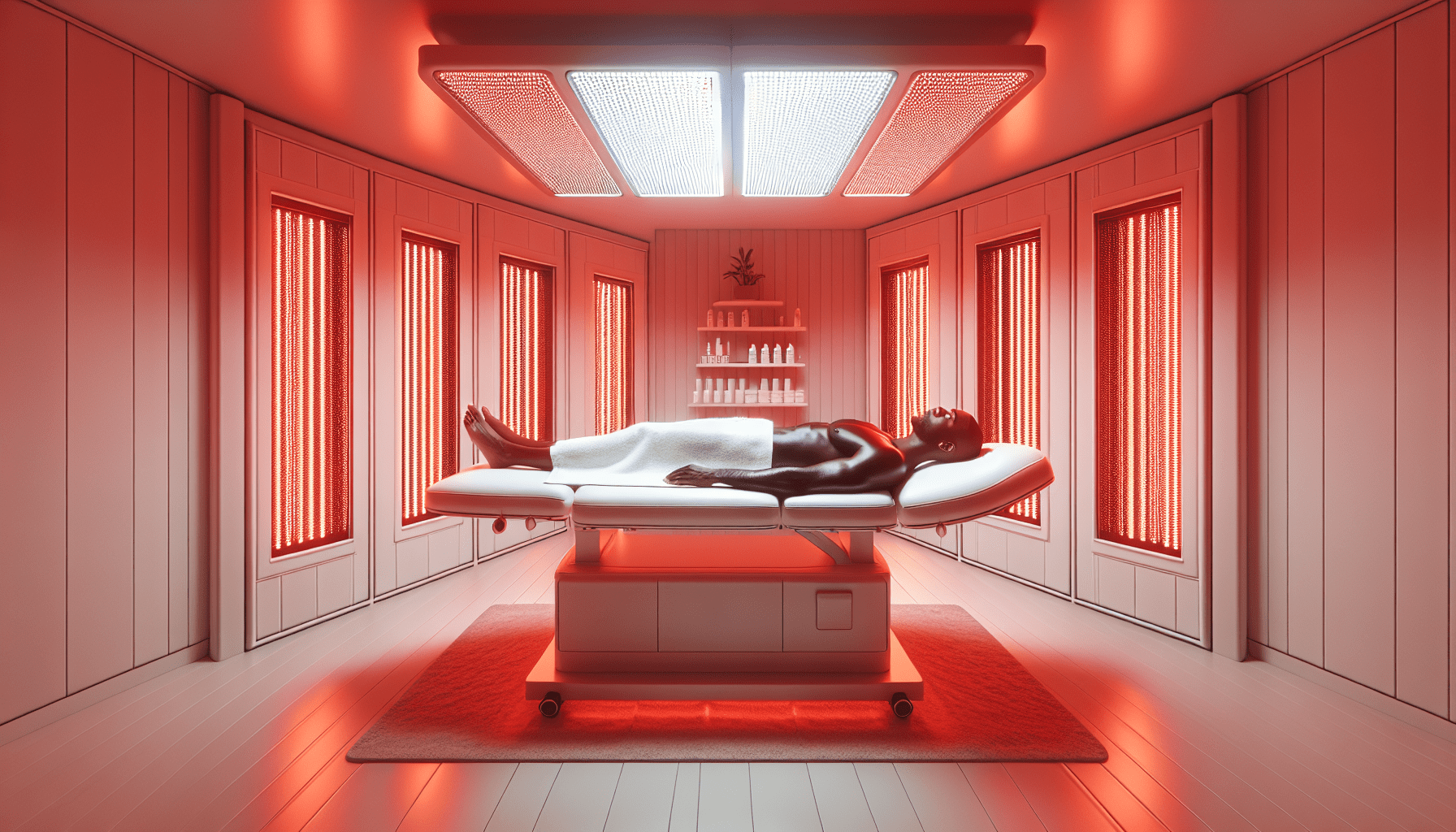
Shedding Light on Lower Back Pain Relief
Lower back pain affects millions worldwide, disrupting daily routines and causing significant discomfort. Conventional treatments like medications or physical therapy sometimes fall short or cause unwanted side effects.
Recent scientific inquiry explores photobiomodulation, or red light therapy, as a promising drug-free method to alleviate pain and accelerate healing. This article unpacks the science behind this emerging technology and what it means for sufferers of lower back pain.
Understanding Red Light Therapy and Photobiomodulation
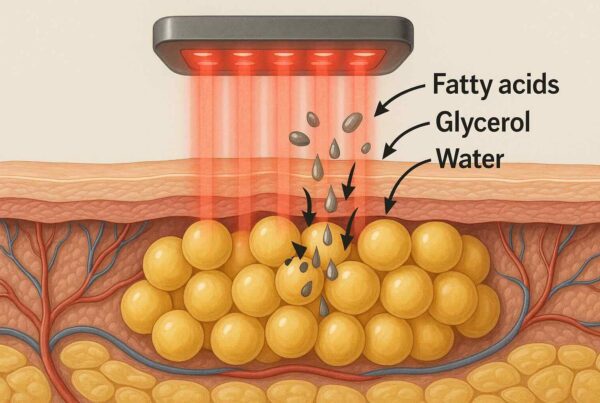
Red light therapy involves exposing the skin to low-level wavelengths of red and near-infrared light, typically between 600 and 900 nanometers. Unlike harmful ultraviolet rays, these lights safely penetrate beneath the skin’s surface to reach cells.
Photobiomodulation refers to the process where light energy activates biological functions within cells, primarily targeting mitochondria, the cell’s energy centers.
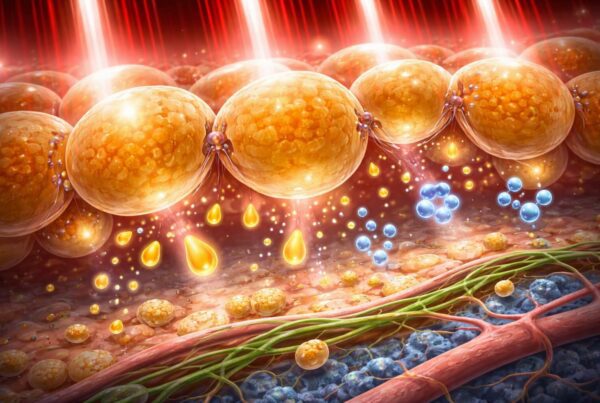
When mitochondria absorb these wavelengths, they produce more adenosine triphosphate (ATP), the molecule that fuels cellular activities. Higher ATP levels enable cells to repair damage more efficiently, counteract oxidative stress, and regulate inflammatory responses. Moreover, red light stimulates angiogenesis,the formation of new capillaries,improving blood flow and nutrient delivery which aids recovery, especially in musculoskeletal tissues like the lower back [source].
Why Cellular Energy and Inflammation Matter to Your Health
Chronic lower back pain often relates to persistent inflammation and tissue damage that inhibits natural healing. Over time, this aggravates discomfort and impairs mobility. By enhancing mitochondrial function, red light therapy boosts the cell’s repair toolkit. Increased ATP rejuvenates muscle cells and connective tissue, while the reduction in inflammatory markers calms swelling and pain signals.
This dual action provides real benefits for people who face stiffness, soreness, or chronic injury in the lumbar region. Improved circulation triggered by the therapy also helps clear metabolic waste, promoting overall tissue health. Essentially, red light therapy works at the cellular level to restore function and ease discomfort without drugs or invasive procedures.
Applications of Photobiomodulation for Wellness and Recovery
Red light therapy has diverse uses beyond back pain relief. Its ability to stimulate collagen production benefits skin rejuvenation and scar healing, enhancing elasticity and reducing wrinkles. Athletes use it to accelerate muscle recovery and reduce exercise-induced inflammation [source].
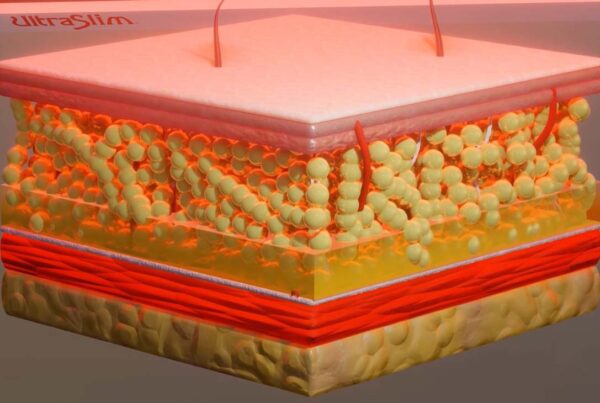
For body contouring and fat metabolism, red and near-infrared light may influence adipose tissue behavior and mitochondrial health, supporting metabolic function. However, consistent, targeted treatment is crucial to harness its full potential.
Integrating Science with Practical Treatment Options
Devices range from professional-grade clinical panels used by therapists to compact at-home units such as flexible pads and handheld wands. Selecting a device that emits both red light (~660 nm) and near-infrared (~850 nm) wavelengths offers deeper tissue penetration and comprehensive benefit to muscles and nerves in the lower back.
An example is the UltraSlim red-light therapy technology, which applies these principles to stimulate cells and promote healing non-invasively. By using such devices regularly, users may reduce reliance on pain medications and enhance mobility, making light therapy a valuable addition to personalized wellness strategies.
Key Takeaways
- Red light therapy uses safe red and near-infrared wavelengths to stimulate cellular energy production and healing.
- The mitochondria absorb light to increase ATP, fueling repair and reducing inflammation in tissues.
- Enhanced blood flow from angiogenesis delivers oxygen and nutrients, accelerating tissue recovery.
- Clinical studies show promising pain reduction and functional improvement in chronic lower back pain patients.
- At-home devices offer convenient, drug-free pain management when used consistently and correctly.
Frequently Asked Questions
Is red light therapy safe for lower back pain?
Yes, it is generally safe with minimal side effects. However, consult your healthcare provider for individual advice, especially if you have specific health conditions or photosensitivity.
How often should I use red light therapy for best results?
Consistency matters. Many protocols recommend daily 20-minute sessions, though frequency varies by device and condition severity.
Can red light therapy replace my current pain medications?
Red light therapy can complement but should not abruptly replace medications without medical guidance. It may reduce medication needs over time.
Will I feel heat or pain during treatment?
Typically, therapy feels warm and soothing but should not be painful or cause overheating.
How soon will I see results?
Some users feel relief after a few sessions, but significant improvement for chronic issues often takes several weeks of consistent use.
Conclusion
Red light therapy harnesses the power of photobiomodulation to offer a safe, non-invasive, and scientifically grounded option to manage lower back pain. By enhancing mitochondrial energy, reducing inflammation, and improving circulation, it supports the body’s natural healing processes. To explore personalized treatment and discover how red light therapy might fit your wellness routine, schedule a free consultation at ContoursLLC.com.